ITP Warrior - Nina
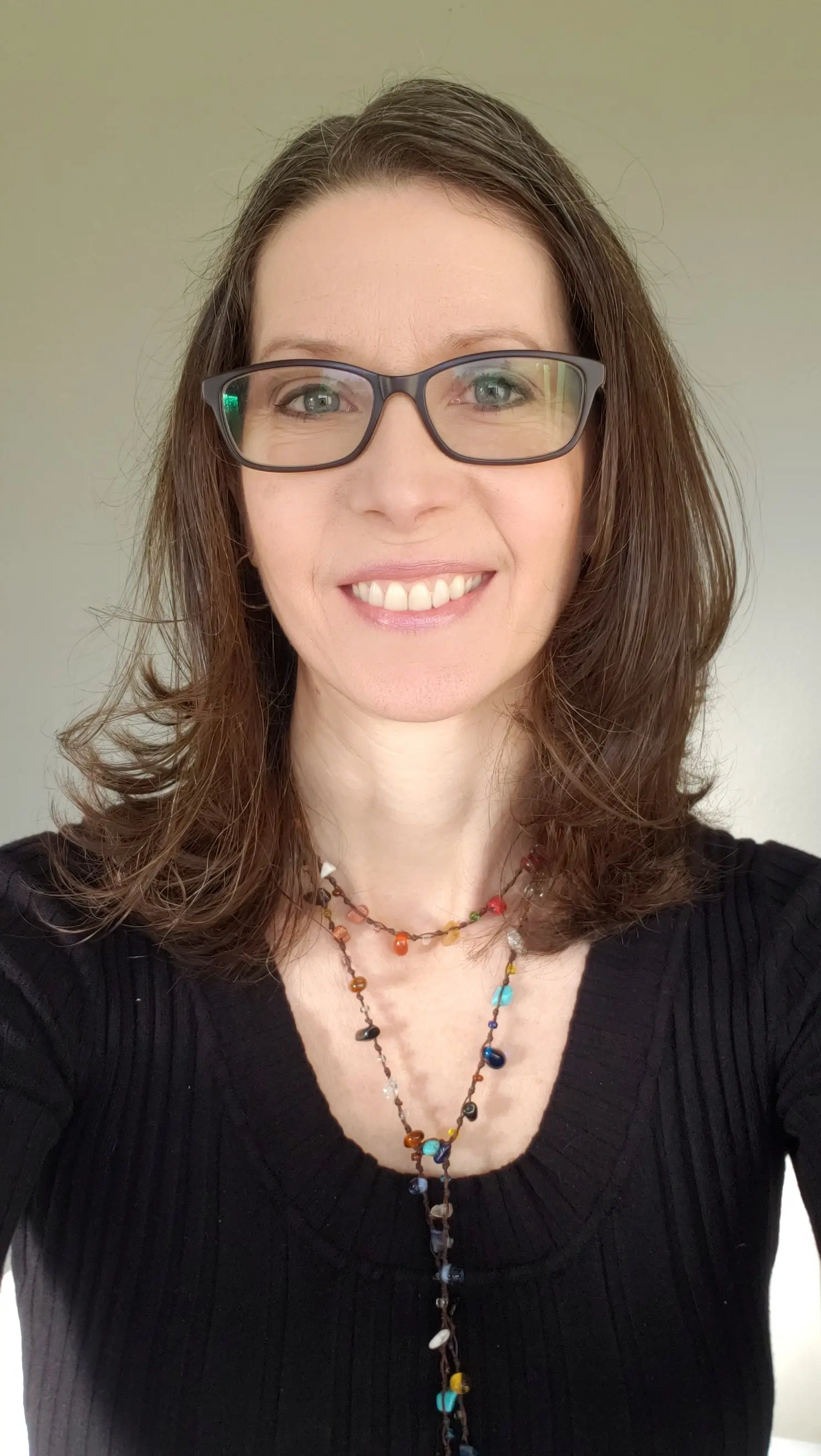
My ITP journey began on June 28, 2003, when I was hospitalized with a platelet count of just 2,000. I was bleeding and bruising, and spent the next five days in the hospital receiving every treatment that was available: steroids, WinRho, chemotherapy, and platelet transfusions. Throughout the next year, I would also receive Rituxan and a failed splenectomy. That moment marked the beginning of a long and challenging road, filled with uncertainty and more questions than answers. While the first 3 years were marked by active disease and treatment, I have now been in remission for two decades.
After a failed splenectomy, I decided to explore natural approaches and lifestyle changes. It wasn’t a “quick fix”. I focused on reducing inflammation, supporting my immune system, minimizing toxin exposure, and nourishing my body. I was able to restore my health. I continue to live out those habits today. I can honestly say that ITP changed my entire life.
Now, I spend much of my time helping others navigate their own ITP journeys, offering encouragement and practical tools rooted in what I’ve learned along the way.
One of the biggest challenges I faced was going through aggressive treatments that didn’t bring lasting results. After a full year of steroids and multiple therapies, including a splenectomy, I was left feeling discouraged and unsure of what to do next. I also experienced a deep sense of isolation. At the time, there weren’t many stories of people thriving with ITP or finding alternative paths forward. Those challenges ultimately shaped me in meaningful ways. They strengthened my resilience, deepened my compassion for others walking similar paths, and pushed me to take a more active role in my own healing. What once felt like a battle became the foundation for a greater purpose.
I wish I had known that there were additional ways to support my body beyond the standard treatment route. I also wish I had known that remission was possible. That kind of hope would have made a significant difference in those early days.
Stories provide something that clinical information alone cannot—hope. When someone is newly diagnosed, they are often overwhelmed and unsure of what their future will look like. Hearing from someone who has walked that road and come out stronger on the other side can shift their perspective in a powerful way. Stories remind us that we are not alone and that there is more than one path forward. My journey led me to discover a passion for cooking. Learning how to prepare anti-inflammatory foods gave me a sense of empowerment during a time when I felt like I had very little control.
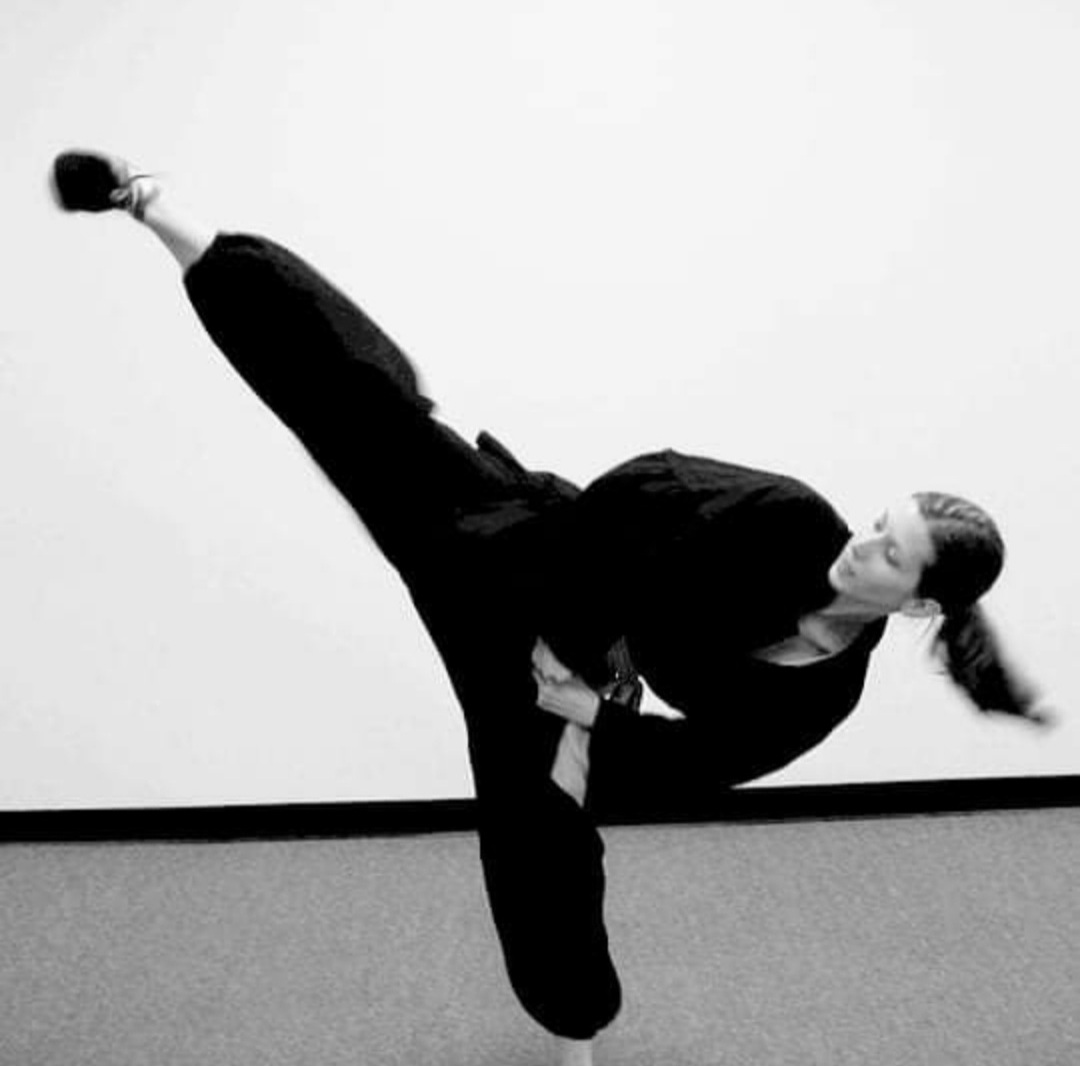
Once I was in remission, I began to study martial arts. After going through ITP and getting to the other side, I realized my Spirit was strong, but my body was weak. I wanted to make my body as strong as my will to survive. I earned my black belt in Shao Lin Kung Fu at almost 40 years old.
I also developed a love for aromatherapy and natural wellness practices. I’m certain my diagnoses was related to stress and I’ve added many “stress management” tools to my self-care tool box.
Today, I focus on maintaining the lifestyle habits that supported my healing so that I can stay in remission. This includes eating in a way that supports my body, reducing toxin exposure, managing stress, and staying in tune with what my body needs.
I went from teaching elementary school to teaching wellness classes. Becoming a published author gave me an unexpected outlet to reflect on my journey and offer hope to others. Looking back, while I would never have chosen this path, I am incredibly grateful for how it has allowed me to walk alongside others.
What lessons, encouragement, or advice would you offer others with ITP?
If I could sit across from someone newly diagnosed with ITP, I would want them to know this first—you are not alone, and this diagnosis is not the end of your story.
ITP can feel overwhelming in the beginning. There are so many decisions, so many unknowns, and at times it can feel like your body is working against you. I remember that feeling well. But one of the most important things I’ve learned is that healing is a journey, not a single moment or one decision.
There is no one-size-fits-all path. What works for one person may not work for another, and that’s okay. Give yourself permission to learn, to ask questions, and to explore what supports your body best. Be patient with the process—true healing often happens in layers, not overnight.
I would also encourage you to look at your health more holistically. While medical care plays an important role, there are other pieces that matter too—nutrition, stress, toxin exposure, rest, and the way we care for our bodies day to day. Small, consistent changes can add up in powerful ways over time.
And just as important—find support. Whether it’s a community, a friend, or even one person who understands, you don’t have to carry this alone. There is something incredibly powerful about connecting with others who “get it.”
Most of all, hold onto hope. Even in the hardest moments, your story is still being written. I went from a platelet count of 2,000 and a couple years of unsuccessful treatments to living in remission for over 20 years. That didn’t happen overnight, but it did happen.
Your journey may look different than mine, but that doesn’t mean it won’t lead somewhere good.
Take it one step at a time. Keep going. And don’t be afraid to believe that healing—in whatever form it comes — is possible for you too.
Interested in sharing your journey with ITP? Submit your ITP story here. (Full names and contact information will not be shared).