
ITP Warrior - Julia

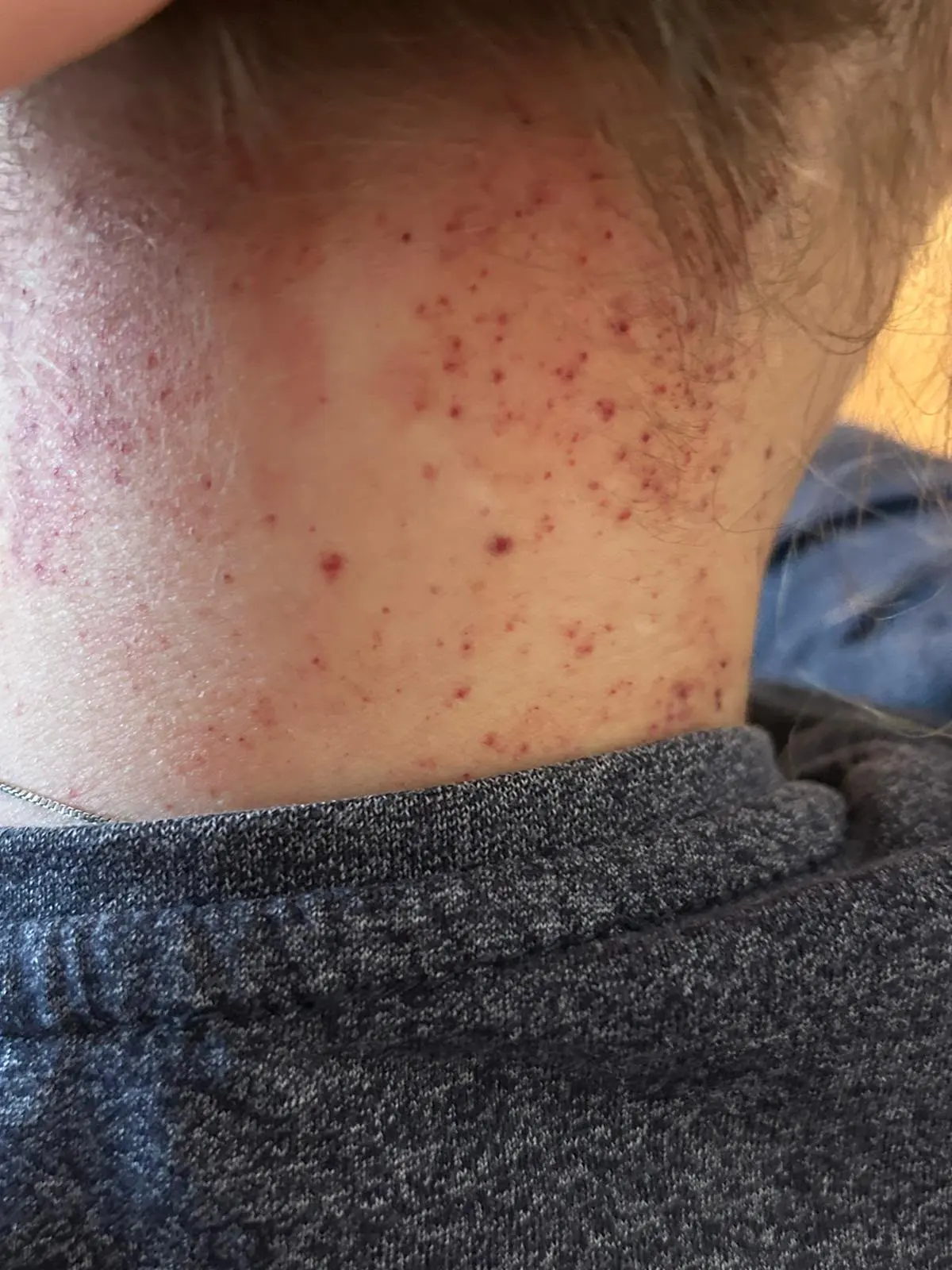
My name is Julia, I am 27 years old and I work as a medical assistant in a pediatric emergency department in Germany. In 2022, my life changed completely when I was diagnosed with immune thrombocytopenia (ITP). It started with petechiae and bleeding from my gums, and my platelet count dropped to extremely low levels. Over the following years, I experienced severe relapses, sometimes with platelet counts as low as 1,000–2,000/µL.
At first, steroids such as dexamethasone and prednisone, as well as IVIG, were able to raise my platelet count, but the effect never lasted. I tried Revolade (eltrombopag), but I could not tolerate it because of severe nausea and vomiting. I then started Nplate (romiplostim), which initially worked extremely well and brought my platelets above 200,000/µL. Unfortunately, this also did not provide lasting control. I later tried Tavlesse (fostamatinib), but it did not help my ITP and caused dangerously high blood pressure.
During the investigation of my ITP, doctors also discovered a strong autoimmune background. I was diagnosed with mixed connective tissue disease (MCTD/SHARP syndrome), with strongly positive autoimmune antibodies and symptoms including Raynaud’s phenomenon. My ITP therefore became part of a much larger autoimmune story.
After repeated severe relapses and despite treatment with Nplate and steroids, my ITP was described as refractory. In 2023, I received my first course of rituximab. For the first time, I experienced a much longer period of stability. I had approximately one year without a major relapse. When my ITP returned, I eventually received a second course of rituximab in 2024. Again, it worked very well, and this time I had approximately two years of stability.
Rituximab has therefore been the treatment that has worked best for me so far. But knowing that the effect eventually wears off is difficult. I do not want to keep repeating B-cell depletion every time my ITP returns. I am looking for something that could give me long-term stability rather than simply buying me another year or two.
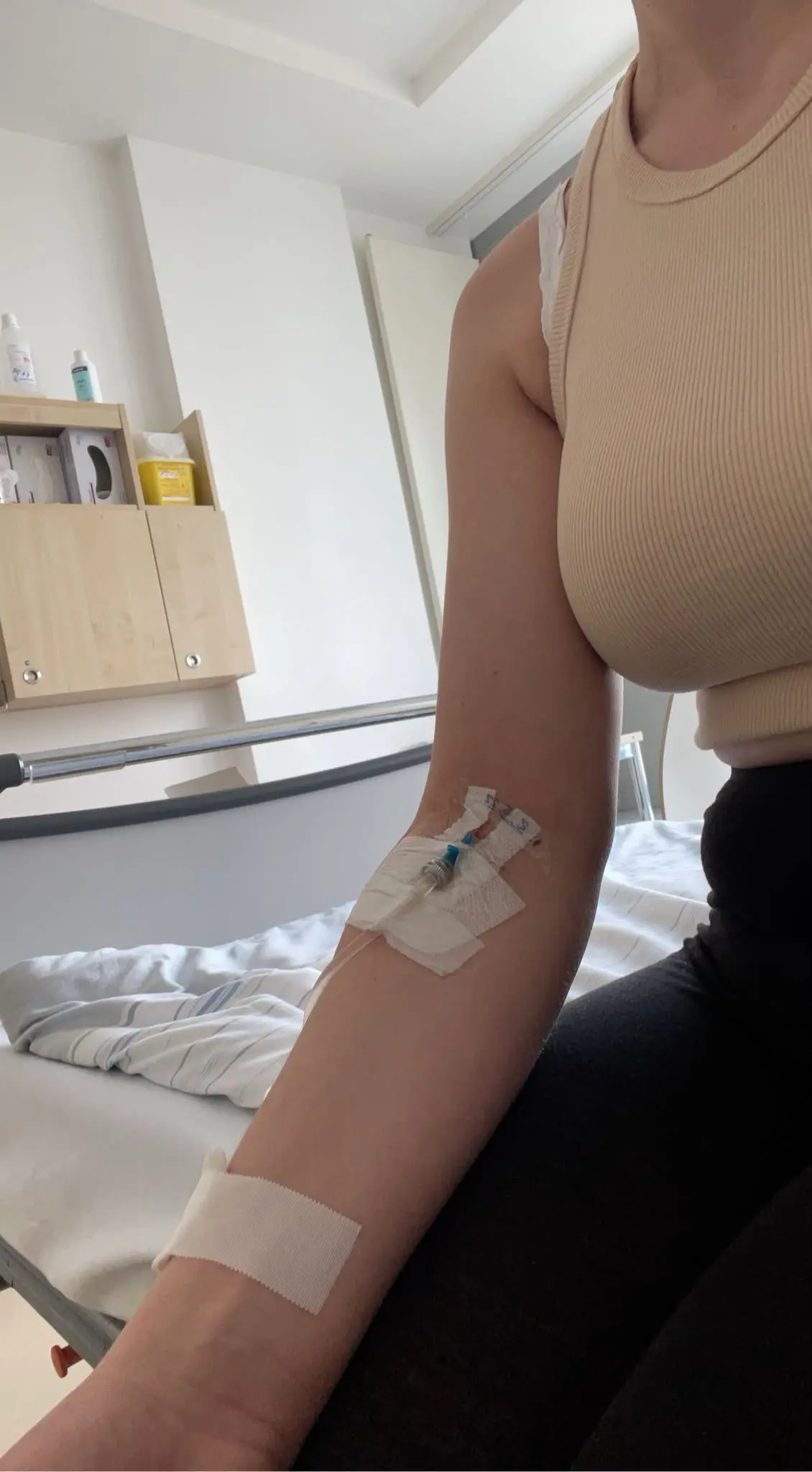
In 2026, my platelet count dropped again to 13,000/µL. This time, instead of going straight back to rituximab, I decided to try Benlysta (belimumab). I started Benlysta on May 19, 2026. At the beginning, I also needed high-dose prednisone, which brought my platelets above 300,000/µL. As the prednisone was gradually reduced, my platelet count decreased again. After around three months of Benlysta, my most recent platelet count was 43,000/µL while taking only 2.5 mg of prednisone.
I know that it is still too early to know whether Benlysta will become the long-term treatment I am hoping for. But after everything I have been through, I have learned that for me, stability matters more than having a temporarily perfect platelet count. I would be very happy with a stable platelet count around 50,000 rather than repeatedly reaching 200,000 or 300,000 and then suddenly dropping to 2,000.
I am sharing my story because when I was searching for other patients with ITP, I often found short stories about individual medications, but very few people who described the entire journey through different treatments, relapses and years of uncertainty. I want to document my experience honestly – including what worked, what did not, the side effects I experienced, and what happens next with Benlysta.
As a medical assistant, I am used to being the person caring for sick children and their families. Living with ITP has taught me what it feels like to be the patient, to wait for the next blood test and to hope that the numbers will finally stay up.
I am still searching for the treatment that will give me something I have not yet had: lasting stability.
What lessons, encouragement, or advice would you offer others with ITP?
My biggest lesson is to not give up, even when a treatment doesn't work or only works for a limited amount of time. I have tried many different treatments, and some helped only temporarily while others did not help me at all. But I also learned that a treatment that doesn't work for one person doesn't mean there is no hope.
I would encourage other people with ITP to become their own advocate, ask questions, get a second opinion when they feel unsure, and find doctors who listen to them and are willing to look at the whole picture. For me, it was especially important to have both my hematologist and rheumatologist involved because my ITP is connected to an autoimmune disease.
I also learned not to focus only on the highest platelet count. For me, stability is much more important. A stable platelet count that allows me to live my life is more valuable than a temporary high number followed by another severe relapse.
Most importantly, don't lose hope. My journey has been full of setbacks, but there have also been treatments that gave me years of stability. I don't know yet whether Benlysta will be the long-term solution I am hoping for, but I am willing to keep looking. Every person's ITP journey is different, and sometimes finding the right treatment takes time.
Interested in sharing your journey with ITP? Submit your ITP story here. (Full names and contact information will not be shared).