


"Patients with primary chronic immune thrombocytopenia have an increased risk for infections up to 5 years before diagnosis, according to results of an epidemiological study.
Of the 3,121 patients diagnosed with ITP between 2006 and 2012, 1,087 patients were diagnosed with incident chronic ITP (men, n = 531; women, n = 556). The observed annual incidence of chronic ITP was 2.3 per 100,000 people (95% CI, 2.15-2.45)."
- By Healio.com. Ekstrand C, et al. J Thromb Haemost. 2016;doi:10.1111/jth.13267.

"A 70-year-old Puerto Rican man died from complications of the Zika virus in February, the Centers for Disease Control and Prevention and the Puerto Rico Department of Health announced Friday (4/29/16). This is the first time in the United States or territories that Zika infection contributed to a death, the CDC said.
The elderly man, who lived in the San Juan metro area, contracted Zika and was treated for symptoms that lasted less than a week, said Tyler Sharp, an epidemiologist at the Centers for Disease Control and Prevention Dengue Branch in San Juan, Puerto Rico.
'"A few days after his recovery, he returned to the hospital with signs of a bleeding disorder and was diagnosed with immune thrombocytopenic purpura, or ITP,' Sharp said."
- By Sandee LaMotte, CNN.
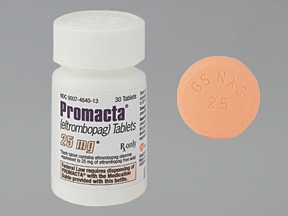
"Ligand Pharmaceuticals Incorporated announces that the European Commission (EC) has approved Revolade® (Eltrombopag), a Novartis product, for the treatment of pediatric (aged 1 year and above) chronic immune (idiopathic) thrombocytopenic purpura (ITP) patients who are refractory to other treatments (e.g. corticosteroids, immunoglobulins). The approval includes the use of tablets as well as a new oral suspension formulation of Revolade, which is designed for younger children who may not be able to swallow tablets. Revolade was approved by the EC in 2010 for use in adults with the same condition."
- From Ligand Pharmaceuticals press release

"We are closely monitoring the spread of Zika virus. As a precaution, the Red Cross will follow the recommendation of AABB, working as quickly as possible to implement a self-deferral for blood donors who have traveled to Mexico, the Caribbean, or Central or South America within 28 days prior to presenting to donate."
- From Dr. Susan Stramer, vice president of Scientific Affairs at the American Red Cross

"High-dose dexamethasone may be a preferred corticosteroid strategy compared with conventional prednisone for first-line treatment of adult primary immune thrombocytopenia, according to the results of a randomized prospective study.
Prednisone currently serves as the standard initial treatment for adult patients with primary ITP, according to study background. However, only a small number of patients treated with prednisone achieve long-lasting remission."
- From healio.com, January 5, 2016

"Of the 172 ITP patients in the study, more than 40 percent had a variant in IFNA17, including one variant present in 26 percent of the ITP patients compared to about 5 percent of controls. This gene is associated with immune cell activity, and could have an important role in predisposition to ITP or disease severity."
- By Dana Benson, Baylor College of Medicine press release

"Elderly patients with ITP may have an increased bleeding risk in comparison to their younger counterparts. Shuling Li, PhD, from the Chronic Disease Research Group in Minnesota, and colleagues set out to find a real-world estimate of bleeding risk episodes (BREs). The data was presented at the 57th American Society of Hematology Annual Meeting (ASH 2015) in Orlando, Florida."
- By Caitlyn Fitzpatrick, hcplive.com

"A total of 128 patients (64%) satisfied the criteria for newly diagnosed ITP, 31 (15%) for persistent ITP, and 41 (21%) for chronic ITP. The median age at diagnosis was 4.5 years (range, 1 month to 18 years). The median platelet count at diagnosis was 32×10⁹/L. A comparison of the initial treatment data from 2001 to 2011 with those from 1992 to 2000 showed that the number of bone marrow examinations decreased, whereas observation increased."
- From abstract published on ncbi.nlm.nih.gov

"Abstract: In anecdotal reports, some patients with immune thrombocytopenia (ITP) maintained platelet counts after discontinuing romiplostim. Here, we examined rates of platelet response (≥50 × 109 /l), remission, splenectomy and adverse events in patients with primary ITP duration ≤6 months who were treated with romiplostim for ≤12 months. The starting dose of romiplostim was 1 μg/kg; concomitant and rescue treatments were permitted to maintain platelet counts. Patients with platelet counts ≥50 × 109 /l at the end of 12 months entered a dose taper in which the romiplostim dose was decreased as long as platelet counts were maintained."
From the British Journal of Haematology

"BACKGROUND:Immune thrombocytopenic purpura (ITP) is characterized by reduced platelet count secondary to immune-mediated destruction, this results into an increased bleeding risk. Auto-antibodies binding to platelets tag them for premature destruction in the spleen. For this reason splenectomy is often performed as treatment of chronic forms of disease that are resistant to pharmacological therapy."
- By Paola Giordano et al., published in Pediatric Research (2015)


Platelet Disorder Support Association
8751 Brecksville Road Suite 150
Cleveland, OH 44141
440.746.9003 | pdsa@pdsa.org
The Platelet Disorder Support Association is a 501(c)3 organization and donations are tax deductible to the fullest extent allowed by law.







© Copyright 1997 - 2026, Platelet Disorder Support Association. All rights reserved.
IMPORTANT!
The Platelet Disorder Support Association does not provide medical advice or endorse any medication, vitamins or herbs. The information contained herein is not intended nor implied to be a substitute for professional medical advice and is provided for educational purposes only. Always seek the advice of your physician or other qualified healthcare provider before starting any new treatment, discontinuing an existing treatment and to discuss any questions you may have regarding your unique medical condition.